A virtual mailbox for expats who still need a dependable U.S. mailing address
PostalBridge helps expats keep important U.S. mail visible online and manageable from abroad without relying on a friend or family member mailbox.
- Dependable U.S. mailing address
- See important mail online
- International forwarding support
- One mailbox while abroad
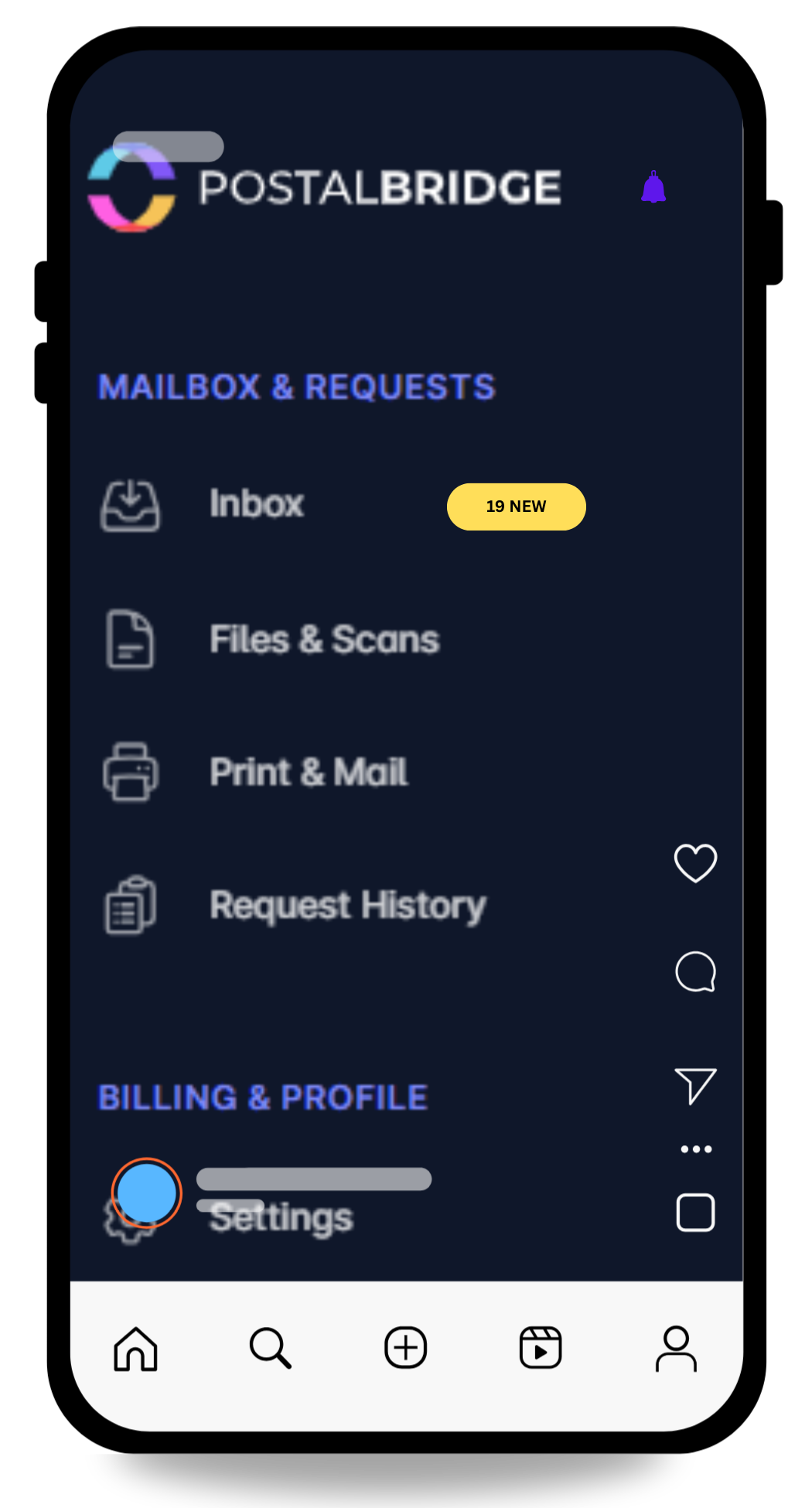
Turn one address into a simpler mail workflow.
View arrivals quickly, request scans only when you need them, and forward originals when timing actually matters.
- See every envelope first so you can decide what gets scanned, forwarded, or left in place.
- Keep your home address off routine forms while real handling stays tied to a staffed partner location.
- Use the same dashboard for notifications, scan requests, forwarding, and history instead of stitching tools together.
Why expats use this setup
Living abroad does not stop U.S. mail from arriving. A good expat setup makes it readable, searchable, and forwardable when necessary.
Keep a U.S. mailing address in place while you live elsewhere
That helps when banks, agencies, businesses, or family still need a stable U.S. mail destination.
Read important mail before paying to forward it overseas
Scan requests can reduce unnecessary shipping and help you act sooner on time-sensitive mail.
Move originals internationally only when you still need them
That is usually more practical than having everything forwarded automatically to a current foreign address.
An expat mailbox should make distance less painful
PostalBridge works well for expats because the address is real, the workflow is online, and forwarding remains tied to the partner location receiving the mail.
- Use one U.S. address instead of borrowing a mailbox from friends or relatives.
- Review envelope arrivals and request scans from abroad through the same dashboard.
- Compare forwarding support and plan details before choosing the location you will rely on.
How this use case works
Choose the location that fits the workflow, complete USPS verification, and manage incoming mail online instead of tying everything to one fixed address.
Choose a location
Review live locations, plan limits, and handling options before choosing the address you will rely on.
Complete USPS verification
Finish Form 1583 and upload the required documents so the mail center can receive mail on your behalf.
Handle mail online
Review envelopes, request scans, forward originals, and keep the workflow moving from wherever you are.
Expat mailbox workflows this page covers
These are the most common reasons customers abroad look for a U.S. digital mailbox.
Financial and account mail
Keep banking, tax, and account notices tied to one U.S. address you can manage remotely.
Business mail while living abroad
Maintain a U.S. business-facing address and online mail workflow even when your daily life is elsewhere.
International forwarding when paper still matters
Forward originals overseas when a digital review is not enough.
Mail history that is easy to revisit
Keep arrivals, scans, and forwarding events in one timeline instead of chasing them later across different people.
What to confirm before you depend on an expat mailbox
The key variables are forwarding support, timing, and how much U.S. mail you still receive in real life.
- Check international forwarding support, carrier choices, and restrictions for the location you choose.
- Use scan requests to reduce unnecessary international shipping costs.
- Compare plan limits for mail volume and recipients before choosing a location.
- Choose a location whose handling workflow fits how often urgent U.S. mail still arrives for you.
Expat mailbox FAQ
Answers to the practical questions Americans living abroad usually ask first.