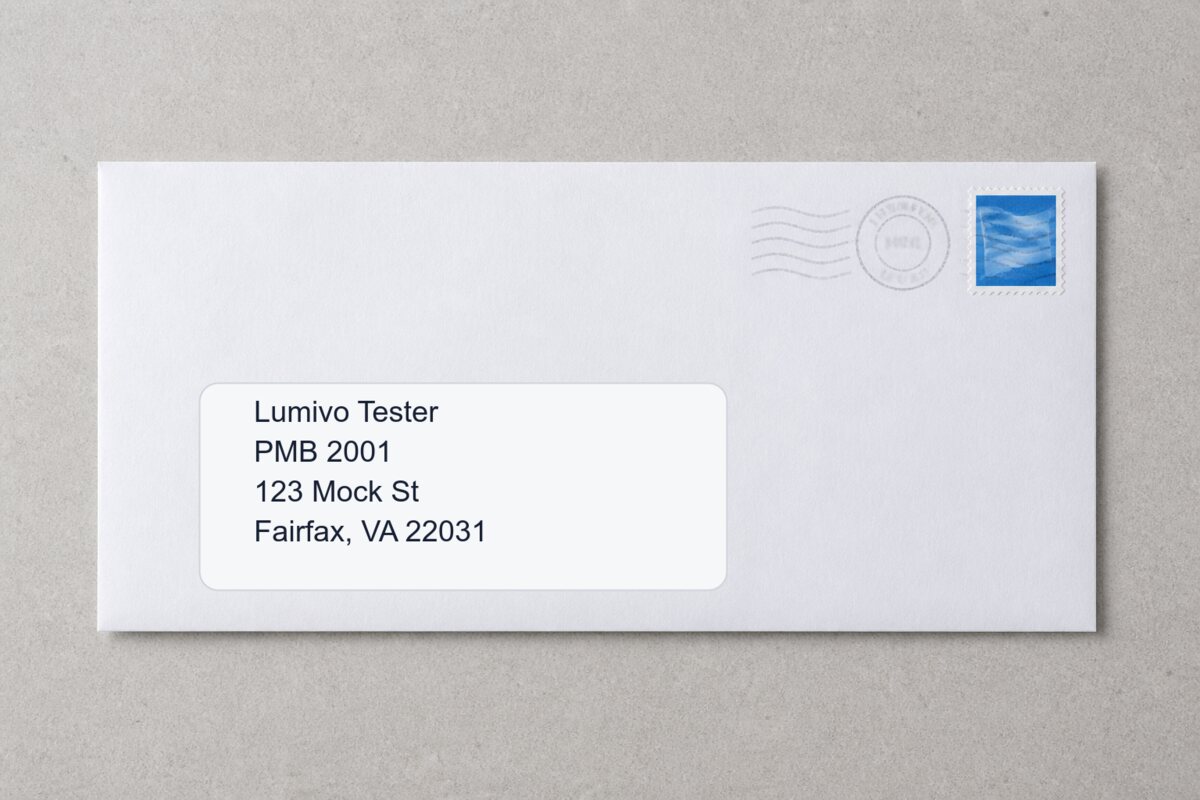
Business mail
Sender recognized
Anytime Mailbox gives you a large marketplace of locations. That means more choice, but also more location-by-location variation. PostalBridge starts at $7.99/month and gives you one straightforward mailbox experience with daily digests, searchable scans, Mail Rules, guided setup, and tracked requests.
$7.99
Starting monthly
30 days
Money-back policy
Daily
New-mail digest
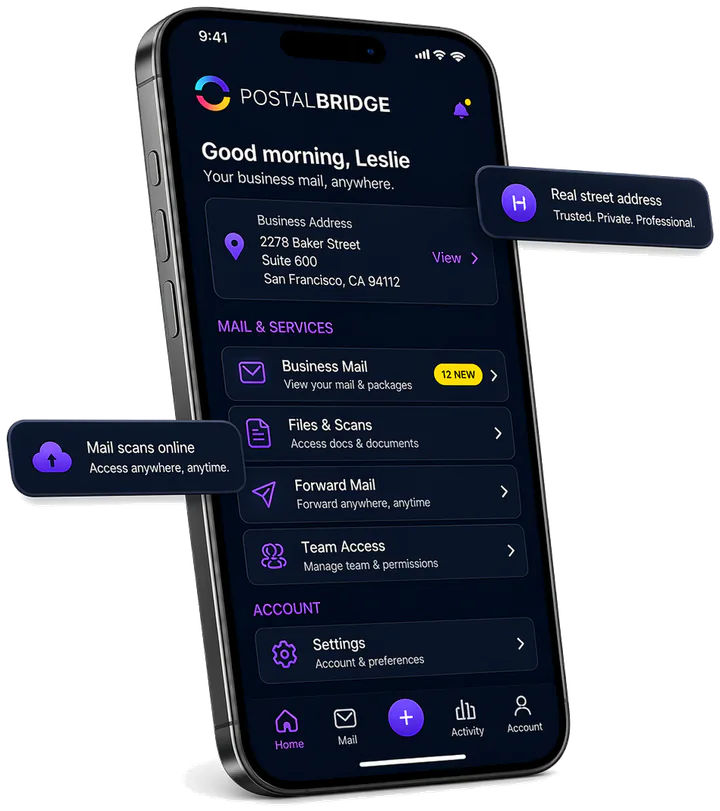
A normal day with PostalBridge
The useful part of a virtual mailbox starts after something arrives. PostalBridge keeps that routine simple instead of making you chase a location by phone or wonder whether a request was received.
Get a compact email summary, then open the mailbox when something needs action.
Search completed scans and use OCR or translation on eligible plans.
Turn recognized sender information into repeatable mail actions instead of making the same choice every time.
See request status and contact the location handling the item if a scan is unclear.
Your PostalBridge daily digest
Three new items arrived yesterday
Business mail
Sender recognized
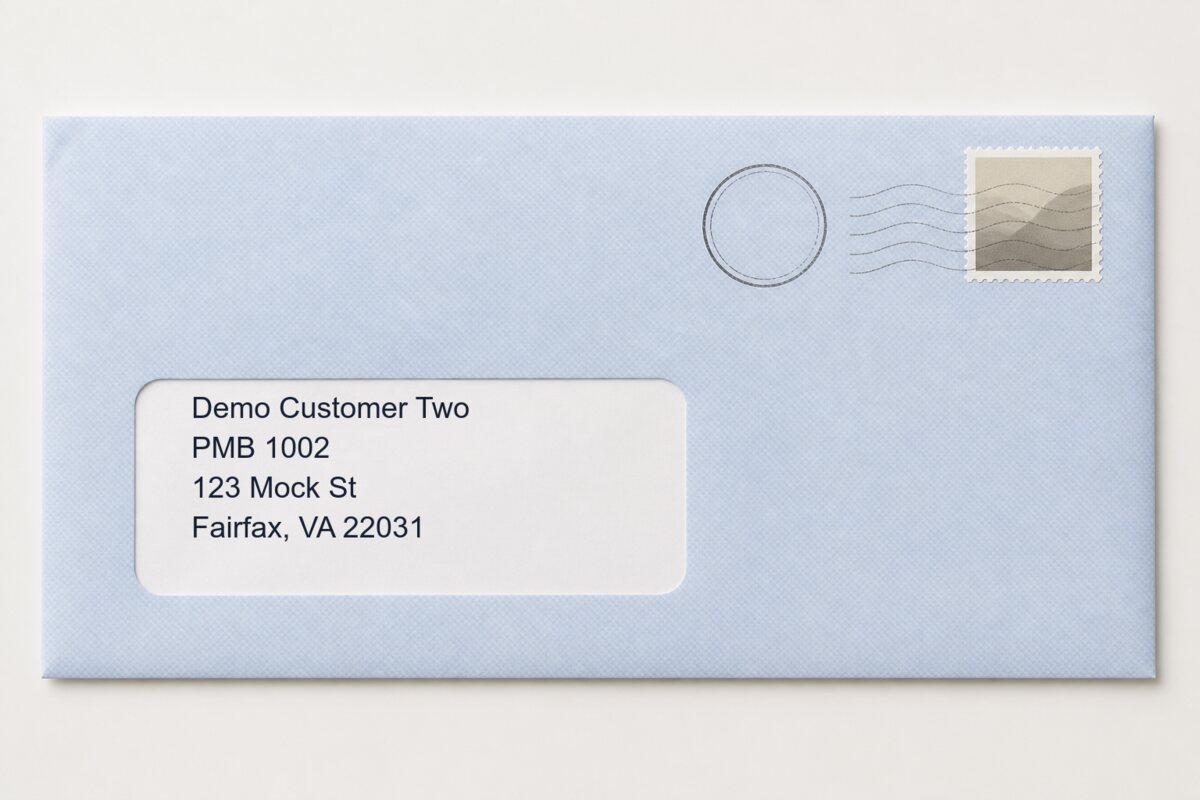
Account notice
Scan available
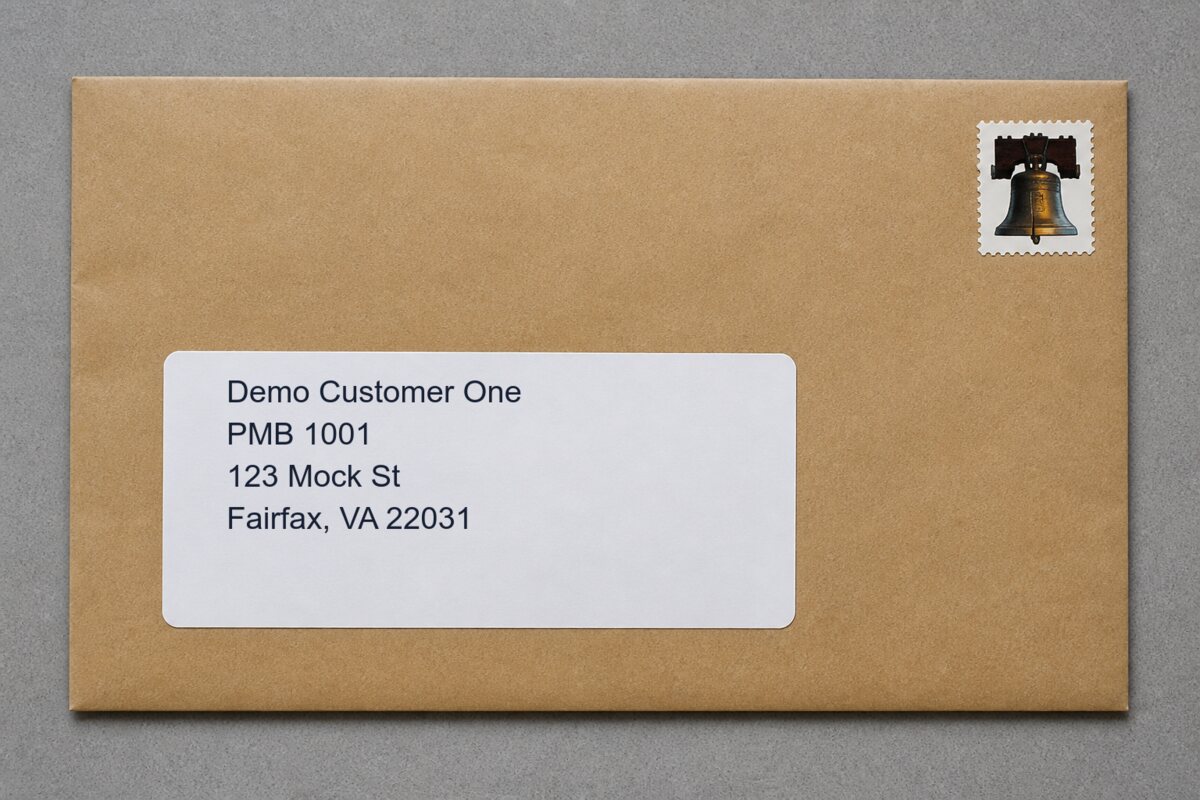
Package notice
Ready for action
Choose PostalBridge when
Choose Anytime Mailbox when
Side by side
Check the address you need first. Then compare plan limits, mail actions, support, and the total cost of the features you will actually use.
| What matters | PostalBridge | Anytime Mailbox |
|---|---|---|
| Pricing clarity | Plans start at $7.99/month across participating mail centers with a consistent published plan structure, included mail item limits, recipient limits, and visible overage details. | The current national offer advertises plans from $9.99/month; marketplace pricing and included services can vary by location and operator. |
| Network model | Curated partner mail center network with vetted participating locations. | Large marketplace of mailbox operators with broader location availability. |
| Service consistency | SLA-backed workflows, customer request ratings, and performance benchmarking. | Service experience may vary by individual operator and location. |
| Scan requests | Scan requests are handled through PostalBridge workflows with service expectations and fulfillment tracking. | Scan availability, turnaround, and fees may vary by location and plan. |
| Mail forwarding | Online forwarding requests through participating partner locations, with request tracking where supported. | Forwarding is commonly available, but pricing and handling details can vary by operator. |
| Daily mail visibility | A daily email digest summarizes newly received mail, with current items and request status available through web and mobile access. | Provides incoming-mail notifications plus app and desktop access to mailbox items and common actions. |
| Search and automation | Eligible plans add searchable scans, OCR, translation, sender recognition, and Mail Rules for recurring mail decisions. | Offers open-and-scan and common mailbox actions; exact inclusions and fees depend on the selected plan and location. |
| Guarantee and phone option | Mailbox plans include a 30-day money-back guarantee under the published policy, with discounted Business Phone service available as an address bundle. | The current national offer advertises a 30-day money-back guarantee; compare location-specific services for any business-phone needs. |
| Best fit | Customers who want clearer pricing, vetted locations, and accountable mail handling. | Customers who prioritize the broadest possible marketplace of address options. |
Straight answers
A virtual mailbox is only useful if the location, price, and daily workflow fit you. These are the questions buyers usually ask next.
PostalBridge is built around participating partner mail centers and a location-first signup flow, while Anytime Mailbox is known for a broader marketplace of mailbox operators where details can vary by location.
Yes. Both are used for online mail visibility and common actions like scans or forwarding, but the exact included services and fees should be checked on the location and plan you choose.
That depends on the location you want and the requirements of the organizations you need to work with. Customers should verify business-use acceptance separately before relying on any virtual address.
You should compare the exact location and plan. PostalBridge publicly shows plans from $7.99 per month, while Anytime Mailbox pricing may vary by operator and location.
Yes. Compare scan fees, forwarding charges, recipient limits, package handling, and any location-specific service rules before deciding.
See the real participating locations near you, open the plan details, and decide whether PostalBridge fits before starting checkout.
Pricing and feature claims were reviewed against the linked public pages. Recheck the exact location, plan, and current terms before purchasing.